Why We’re Still “Man Up and Go” (And Why It Matters)
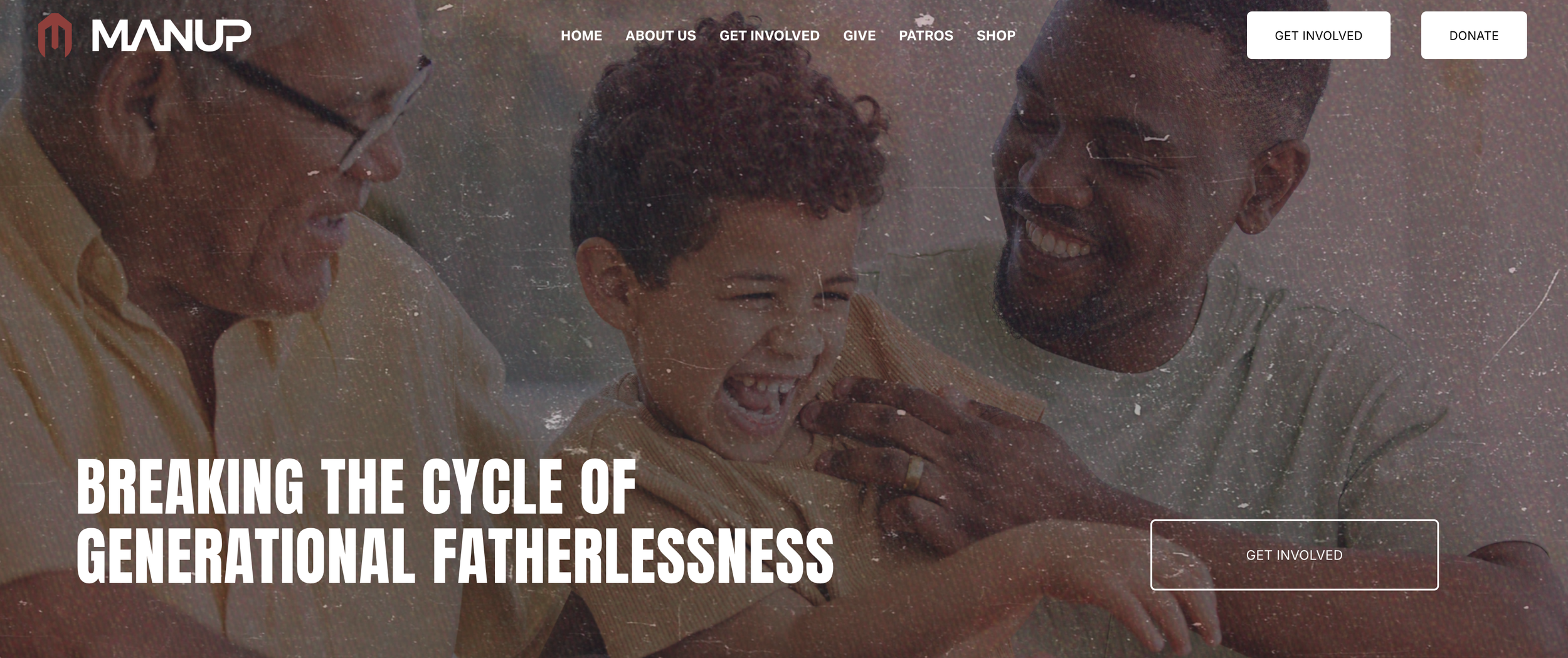
Man Up
It’s a call for leadership and fatherhood.
A while back, someone suggested we rebrand Man Up and Go. The argument? The term “man up” can be seen as promoting toxic masculinity.
“This is something I had to wrestle with it. Was our name keeping people from hearing the message? Was it unintentionally alienating the very men we wanted to reach?”
I prayed about it. I talked to our board. I listened to friends and critics. And deep down, I felt this tension—change the name, and maybe it’s easier to “market.” Keep the name, and risk misunderstanding. But here’s the thing: Man Up and Go was never about chest-thumping machismo or telling men to “toughen up” in a way that crushes emotion or empathy.
From day one, Man Up has meant this: Step into responsibility. Live with integrity. Protect and provide. Serve sacrificially. It’s about biblical masculinity—modeled after Jesus, who was both tough enough to face the cross and tender enough to weep with friends. That’s not toxic. That’s transformative.
If we backed away from the name, we’d be letting culture define the conversation. We’d be surrendering a phrase that desperately needs redeeming. The truth is, we’re not running from the controversy—we’re leaning into it. Why? Because part of our mission is to challenge the narrative.
When a man hears “man up” from us, we want him to think: This is about showing up for my kids. This is about being faithful to my wife. This is about giving back to my community. If he walks away thinking we just told him to grow a beard and hide his feelings… well, we’ve failed. But when he understands the heart, it clicks.
And here’s the kicker—our name starts conversations. It opens doors. It gives us the chance to say, “Yeah, I know what you think it means… but let me tell you what it really means.” That’s an opportunity we’re not willing to lose.
So no, we didn’t rebrand. And we’re not planning to. We believe this phrase—redeemed and redefined—can become a rallying cry for men everywhere to embrace the kind of strength that lifts others up. Strength that’s humble. Strength that’s willing to serve.
Because at the end of the day, it’s not just about what we’re called—it’s about what we’re calling men to become.

Take care,
Jeff